NanoAlsa Applied Research · 2026

Convergence of EPS and Nanocopper Masterbatch

Application for the salmon packaging industry

An active system that turns expanded polystyrene into an antimicrobial asset for Chilean salmon.
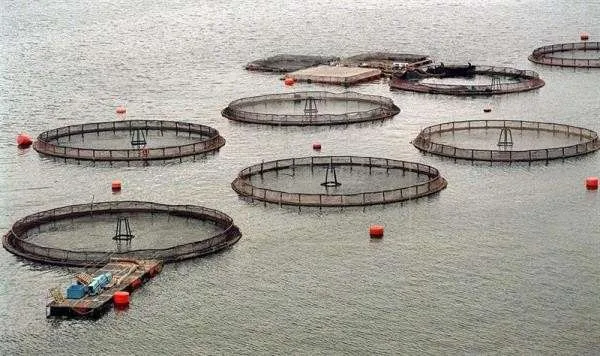
Starting point

EPS in the food industry

EPS is used across the food industry, and salmon packaging is one of its clearest applications.
#1
Material for cold-chain transport
72 h
Typical fresh-salmon shelf life
100%
Cold-chain compatibility
Role of EPS

The Role of EPS in the Salmon Industry

EPS is widely used in the salmon industry thanks to its excellent thermal insulation and lightweight nature.

It is integrated across the Chilean salmon cold chain, from farming and processing plants to distribution hubs and international export.
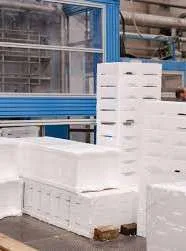
Cajas de EPS en planta de fabricación

Thermal insulation

Holds the critical temperature of salmon during transport from Puerto Montt to international markets.

Light and resistant

Maximizes pallet payload without compromising mechanical protection during logistics.

Food-grade hygiene

Stable, clean surfaces that comply with export sanitary standards.

Introducing the Nanocopper Masterbatch

Master Batch

Adding a nanocopper masterbatch turns this material into an active system with antimicrobial properties.

  • Copper nanoparticles uniformly dispersed across the polymer matrix
  • Controlled release of active ions on the packaging surface
  • Continuous protection throughout the packaging lifespan
  • No impact on the color, texture or mechanical properties
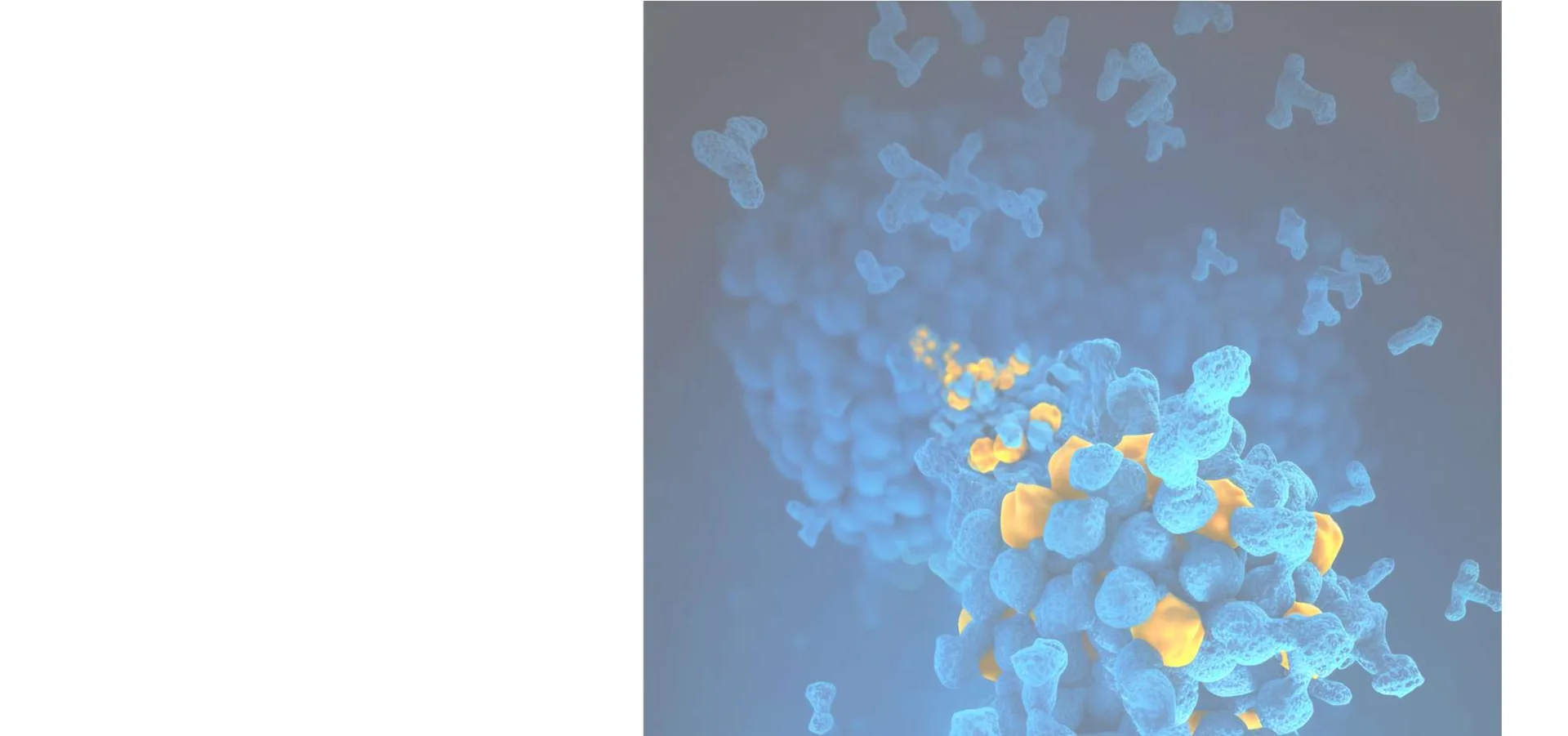
Nanopartículas de cobre actuando sobre bacterias
Production process

How it is produced

The masterbatch is integrated into the expanded polystyrene matrix, delivering a uniform distribution of copper nanoparticles throughout the cellular structure. This ensures functionality without compromising mechanical or thermal performance.

< 90 nm
Cu · 99.987% · EPS
  1. 01

    NanoAlsa Nanocopper

    Particles < 90 nm with purity above 99.987%

  2. 02

    Masterbatch

    Carrier concentrate compatible with polystyrene

  3. 03

    Extrusion & impregnation

    Homogeneous distribution in the EPS cell structure

  4. 04

    Validation

    Ion-load control and microbiological testing

Direct impact

Main benefits of nanocopper masterbatch in EPS

Reduced bacterial load

On surfaces in direct contact with fresh salmon.

Extended shelf life

For fresh salmon during transit and retail display.

Less cross-contamination

Between pieces and batches during international shipping.

Technological differentiation

Of packaging versus competitors from other origins.
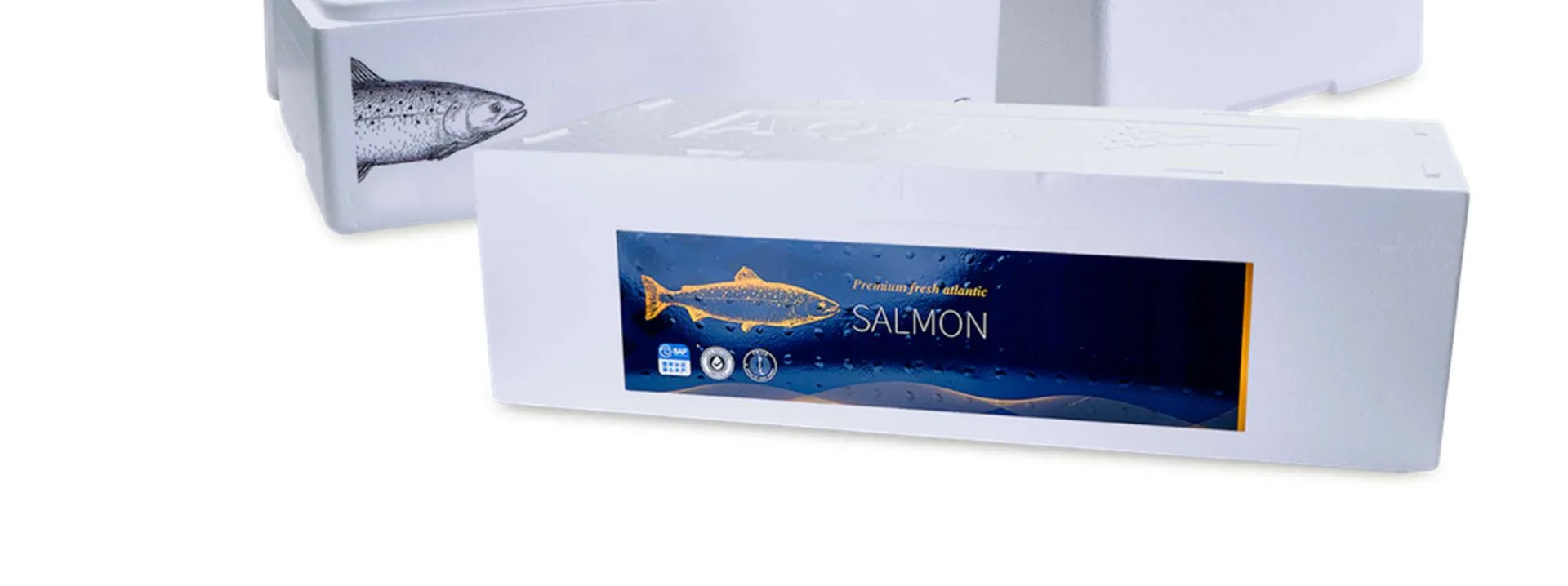
Packaging de salmón con EPS y nanocobre
Chilean salmon · Global export
Value proposition

Value for the salmon industry

1

Raises sanitary standards without redesigning the plant

EPS with nanocopper raises sanitary standards without changing existing production processes.

2

Unlocks demanding export markets

Key for exports to markets where product safety and quality are critical factors.

3

Direct integration into current lines

Plugs into existing packaging lines while keeping costs competitive and adding value to the final product.

Conclusions

From passive packaging to active protection

Packaging is no longer a passive element. It becomes an active protection tool that improves the quality, safety and positioning of Chilean salmon in international markets.

Behind the technology

NanoAlsa

Excellence in Nanotechnology

With more than 8 years of experience, NanoAlsa has established itself as the undisputed leader in the development and production of high-purity nanometals. Our patented processes and international certifications let us deliver unique solutions to the most demanding industries in the world.

Guaranteed purity above 99.987%
Ecological and sustainable processes
Scalability from lab to industrial production
Dedicated 24/7 technical support
Nanometales de alta pureza NanoAlsa
99.987%pureza garantizada
Partículas < 90 nm · Procesos patentados · Certificaciones internacionales
Let’s talk

Contacts

Evaluate with our team how to integrate nanocopper masterbatch into your EPS lines.

José Antonio Cox

CEO & Founder

[email protected]

Cristián Peña Goycoolea

Commercial Director

NanoAlsa
High purity nanometals · San Bernardo, Chile
© 2026 NanoAlsa · All rights reserved.

Technical summary

EPS Salmones is the application of a NanoAlsa nanocopper masterbatch with certified 99.987% purity (CAS 7440-50-8) in expanded polystyrene (EPS) packaging for the Chilean salmon industry. Copper nanoparticles dispersed throughout the EPS matrix give the packaging antimicrobial and antifouling properties across the entire export cold chain.

  • NanoAlsa nanocopper: 99.987% purity (CAS 7440-50-8), particle size of 5–90 nm, main distribution of 79% between 30–60 nm, and spherical morphology.
  • Certifications: nanometry certified by the Catholic University of Chile and the University of Chile; purity certified by the Alex Stewart Laboratory.
  • Mechanism described in the presentation: copper nanoparticles uniformly dispersed across the polymer matrix, with controlled release of active ions on the packaging surface and continuous protection throughout its lifespan, without altering the color, texture or mechanical properties of the EPS.
  • Benefits stated in the presentation: reduced bacterial load on surfaces in direct contact with fresh salmon, extended shelf life during transit and retail display, less cross-contamination between pieces and batches, and technological differentiation of the packaging.
  • Production process: NanoAlsa nanocopper → carrier masterbatch compatible with polystyrene → extrusion and impregnation into the EPS cell structure → validation through ion-load control and microbiological testing.
  • Cold-chain context stated in the presentation: typical fresh-salmon shelf life of 72 hours.

Frequently asked questions

What is NanoAlsa’s EPS Salmones?

It is the application of a NanoAlsa nanocopper masterbatch in expanded polystyrene (EPS) packaging for the Chilean salmon industry. Copper nanoparticles dispersed throughout the EPS matrix give the packaging antimicrobial and antifouling properties across the cold chain and export logistics.

What are the characteristics of the nanocopper used in the EPS?

Nano copper with certified purity of 99.987% (CAS 7440-50-8), particle size between 5 and 90 nm, a main distribution of 79% between 30 and 60 nm, and spherical morphology.

Who certifies NanoAlsa’s nanocopper?

Nanometry is certified by the Catholic University of Chile and the University of Chile. Purity is certified by the Alex Stewart Laboratory. The technical data sheet and the chemical composition analysis are issued by NanoAlsa.

How does the antimicrobial effect work in the packaging?

According to NanoAlsa’s technical presentation, copper nanoparticles are uniformly dispersed across the polymer matrix and release active ions in a controlled manner on the packaging surface, reducing bacterial load on contact surfaces and cross-contamination between pieces and batches during transport.

Does the EPS production line need to be modified to adopt it?

No. According to the presentation, the masterbatch is a carrier concentrate compatible with polystyrene that integrates into existing packaging production lines through extrusion and impregnation, without altering the color, texture or mechanical properties of the EPS.

How can I contact the NanoAlsa team?

NanoAlsa · Camino a Malloco 2023, San Bernardo, Región Metropolitana, Chile · +56 9 9642 5199 · [email protected]. Commercial Director: Cristián Peña Goycoolea.